
Public shows at Hamamatsu Science Museum Miraira: Yes
Science museum with planetarium; daily shows and special evening programs. Check the official site for the current schedule and tickets before you go.
A planetarium show is the one astronomy outing that clouds and city lights cannot cancel. Most public shows run 30 to 50 minutes; live shows, where a presenter flies the sky to tonight's planets and constellations, are the best preparation for a night at a dark site. Shows often sell out on weekends and school holidays.
256-3 Kitaterashima-cho, Hamamatsu, Shizuoka, Japan 430-0923. Phone +81 53 454-0178.
Hamamatsu Science Museum Miraira has a 20 m (66 ft) dome and 200 seats
That makes it one of the large domes, built for big public shows. The largest planetarium domes in the world are about 35 m across; a classroom dome is 5 to 8 m.
It runs an optical star projector, the Konica-Minolta Infinium Beta + GeminiStar 3, together with a Sky-Skan Definiti Multichannel digital system: the star ball gives pinpoint stars, the digital system fills the dome with video.
How dark the real sky is outside Hamamatsu Science Museum Miraira
Hamamatsu Science Museum Miraira has no Bortle rating in the list yet. The scale below shows what each class looks like.
Sky brightness and class come from the World Atlas of Artificial Night Sky Brightness (Falchi et al. 2016, CC BY-NC 4.0), with natural skyglow added, at the coordinates below. Planetariums sit in towns, so the dome shows the sky the street outside cannot; the dark sky places nearby show the real one.
Hamamatsu Science Museum Miraira among the planetariums of Japan
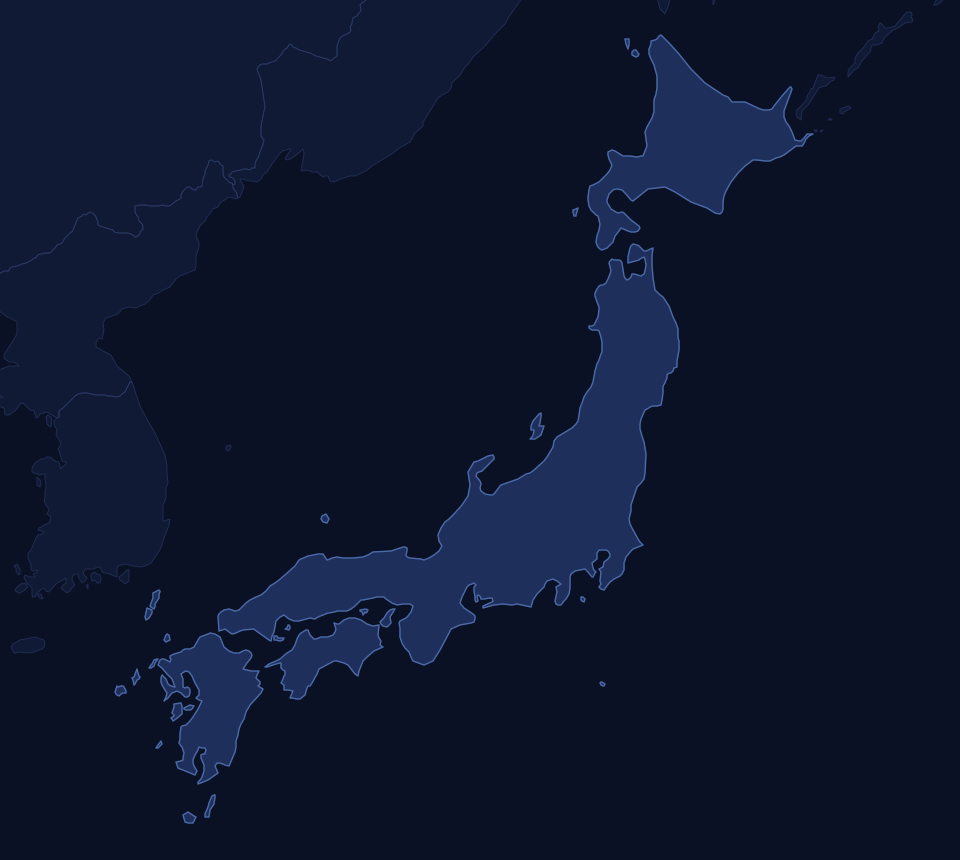
Pink dots are planetariums, green dots observatories open to the public, squares dark sky places and diamonds star parties; select one for its page. See Planetariums in Japan for the full list.
The coordinates on this page point to town center of Hamamatsu (approximate): 34.700°N, 137.733°E.
Map data © OpenStreetMap contributors. Open the larger map · Directions.
Dark sky places, observatories and clubs near Hamamatsu Science Museum Miraira
Nearest dark sky places
| Place | Where | Bortle | Distance |
|---|---|---|---|
| Kozushima Island Dark Sky Park | Kozushima Village, Japan | 3 | 141 km (88 mi) |
| Minami-Rokuroshi | Ono, Japan | 3 | 180 km (112 mi) |
| Bisei Town, Ibara City | Bisei, Japan | 4 | 383 km (238 mi) |
Observatories open to the public within 150 km
- Kiso ObservatoryKiso, Nagano, Japan, 122 km (76 mi). Exhibits and dome viewing room open daily; annual open day in August with evening observing
- Gekko ObservatoryKannami, Shizuoka Prefecture, Japan, 124 km (77 mi). Open 9:30 am-5 pm, closed Mondays and 4th Tuesday; adults 1200 yen incl. planetarium
Other planetariums within 150 km
- Toyokawa City GeospaceToyokawa, Aichi, Japan, 33 km (21 mi), 15.0 m dome
- Kariya City Hands-on Science Museum (Yume to Manabi no Kagaku Taikenkan)Kariya, Aichi, Japan, 73 km (45 mi), 15.0 m dome
- Nagoya City Science Museum - Brother EarthNagoya, Aichi, Japan, 92 km (57 mi), 35.0 m dome
- Komaki City PlanetariumKomaki, Aichi, Japan, 99 km (61 mi), 12.0 m dome
- Tsushima City Children's Science MuseumTsushima, Aichi, Japan, 106 km (66 mi), 12.0 m dome
Hamamatsu Science Museum Miraira record
Every value in the planetariums dataset for Hamamatsu Science Museum Miraira
| ID | 1153 |
|---|---|
| Name | Hamamatsu Science Museum Miraira |
| Address | 256-3 Kitaterashima-cho |
| CityState | Hamamatsu, Shizuoka |
| Zip | 430-0923 |
| Country | Japan |
| Website | http://www.hamamatsu-kagakukan.jp/index.html |
| Phone | +81 53 454-0178 |
| Image | 2336.jpg |
| Dome | 20 |
| Seats | 200 |
| Optical | Konica-Minolta Infinium Beta + GeminiStar 3 |
| Digital | Sky-Skan Definiti Multichannel |
| Lat | 34.70000 |
| Lon | 137.73333 |
| LatLonSpot | town center of Hamamatsu (approximate) |
| Status | Open |
| StatusNote | Renovated and reopened under the Miraira name |
| PublicNote | Science museum with planetarium; daily shows and special evening programs |
| Sources | https://kids.rurubu.jp/article/2789/ https://www.at-s.com/event/article/1700510 |
From the site's planetariums dataset (planetariumsglobal_q426). Distances are computed from the coordinates.