
Public shows at Busan National Science Museum: Yes
Large planetarium with daily dome shows; observatory programs. Check the official site for the current schedule and tickets before you go.
A planetarium show is the one astronomy outing that clouds and city lights cannot cancel. Most public shows run 30 to 50 minutes; live shows, where a presenter flies the sky to tonight's planets and constellations, are the best preparation for a night at a dark site. Shows often sell out on weekends and school holidays.
59 Dongbusangwangwang 6-ro, Gijang-eup, Gijang-gun, Busan, South Korea. Phone +82 51-750-2309.
Busan National Science Museum has a 17 m (56 ft) dome and 133 seats
That makes it a mid-size dome, typical of science museums and large universities. The largest planetarium domes in the world are about 35 m across; a classroom dome is 5 to 8 m.
Its projection system is the RSA Cosmos InSpaceSystem, a digital fulldome system that can fly the audience through the solar system as well as show the night sky.
How dark the real sky is outside Busan National Science Museum
Busan National Science Museum has no Bortle rating in the list yet. The scale below shows what each class looks like.
Sky brightness and class come from the World Atlas of Artificial Night Sky Brightness (Falchi et al. 2016, CC BY-NC 4.0), with natural skyglow added, at the coordinates below. Planetariums sit in towns, so the dome shows the sky the street outside cannot; the dark sky places nearby show the real one.
Busan National Science Museum among the planetariums of South Korea
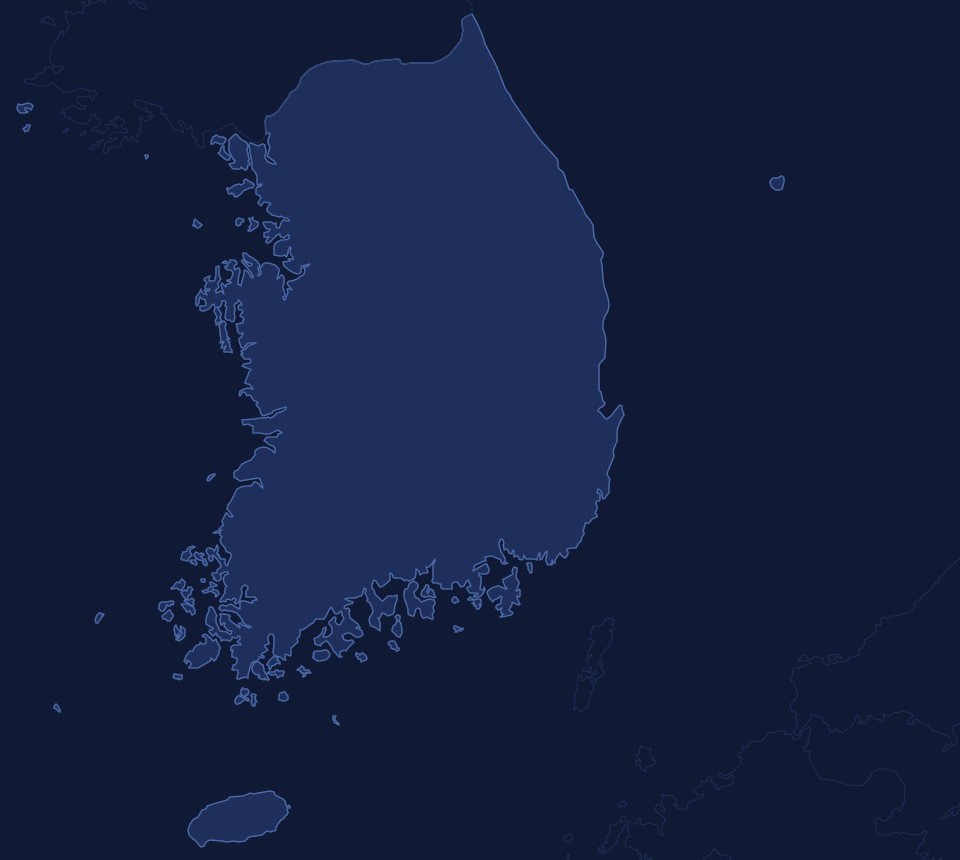
Pink dots are planetariums, green dots observatories open to the public, squares dark sky places and diamonds star parties; select one for its page. See Planetariums in South Korea for the full list.
The coordinates on this page point to Busan National Science Museum, Gijang (approximate): 35.207°N, 129.211°E.
Map data © OpenStreetMap contributors. Open the larger map · Directions.
Dark sky places, observatories and clubs near Busan National Science Museum
Nearest dark sky places
| Place | Where | Bortle | Distance |
|---|---|---|---|
| Yeongyang Firefly Eco Park | Yeongyang, South Korea | 3 | 170 km (105 mi) |
| Bisei Town, Ibara City | Bisei, Japan | 4 | 399 km (248 mi) |
Observatories open to the public within 150 km
- Bohyunsan Optical Astronomy ObservatoryYeongcheon, North Gyeongsang, South Korea, 109 km (67 mi). Open to the public during annual Space Week events; nearby Bohyunsan Observatory science museum
Other planetariums within 150 km
- Busan Science Education Institute (Busan Office of Education)Busan, South Korea, 11 km (7 mi), 11.0 m dome
- Gimhae Astronomical ObservatoryGimhae, South Korea, 29 km (18 mi), 8.0 m dome
- Ulsan Science MuseumUlsan, South Korea, 37 km (23 mi), 16.0 m dome
- Changwon Science CenterChangwon, South Korea, 48 km (30 mi), 15.0 m dome
- Daegu National Science MuseumDaegu, South Korea, 88 km (55 mi), 16.0 m dome
Busan National Science Museum record
Every value in the planetariums dataset for Busan National Science Museum
| ID | 1683 |
|---|---|
| Name | Busan National Science Museum |
| Address | 59 Dongbusangwangwang 6-ro, Gijang-eup, Gijang-gun |
| CityState | Busan |
| Country | South Korea |
| Website | https://www.sciport.kr/kor/Main.do |
| Phone | +82 51-750-2309 |
| Image | 2498.jpg |
| Dome | 17 |
| Seats | 133 |
| Digital | RSA Cosmos InSpaceSystem |
| Lat | 35.20700 |
| Lon | 129.21100 |
| LatLonSpot | Busan National Science Museum, Gijang (approximate) |
| Status | Open |
| PublicNote | Large planetarium with daily dome shows; observatory programs |
| Sources | https://namu.wiki/w/%EA%B5%AD%EB%A6%BD%EB%B6%80%EC%82%B0%EA%B3%BC%ED%95%99%EA%B4%80 |
From the site's planetariums dataset (planetariumsglobal_q426). Distances are computed from the coordinates.