
Public shows at William K. Holt Planetarium: Yes
Planetarium shows on weekends and holidays with museum admission. Check the official site for the current schedule and tickets before you go.
A planetarium show is the one astronomy outing that clouds and city lights cannot cancel. Most public shows run 30 to 50 minutes; live shows, where a presenter flies the sky to tonight's planets and constellations, are the best preparation for a night at a dark site. Shows often sell out on weekends and school holidays.
1 Centennial Drive, Berkeley, California 94720. Phone 510-642-5132.
William K. Holt Planetarium has a 11 m (36 ft) dome and 48 seats
That makes it a small dome, typical of schools, colleges and portable shows. The largest planetarium domes in the world are about 35 m across; a classroom dome is 5 to 8 m.
Its projection system is the Sky-Skan Definiti (2006); Digitalis Digitarium Epsilon, a digital fulldome system that can fly the audience through the solar system as well as show the night sky.
Equipment: Digitarium Epsilon projector.
Lawrence Hall of Science, UC Berkeley
How dark the real sky is outside William K. Holt Planetarium
William K. Holt Planetarium has no Bortle rating in the list yet. The scale below shows what each class looks like.
Sky brightness and class come from the World Atlas of Artificial Night Sky Brightness (Falchi et al. 2016, CC BY-NC 4.0), with natural skyglow added, at the coordinates below. Planetariums sit in towns, so the dome shows the sky the street outside cannot; the dark sky places nearby show the real one.
William K. Holt Planetarium among the planetariums of California
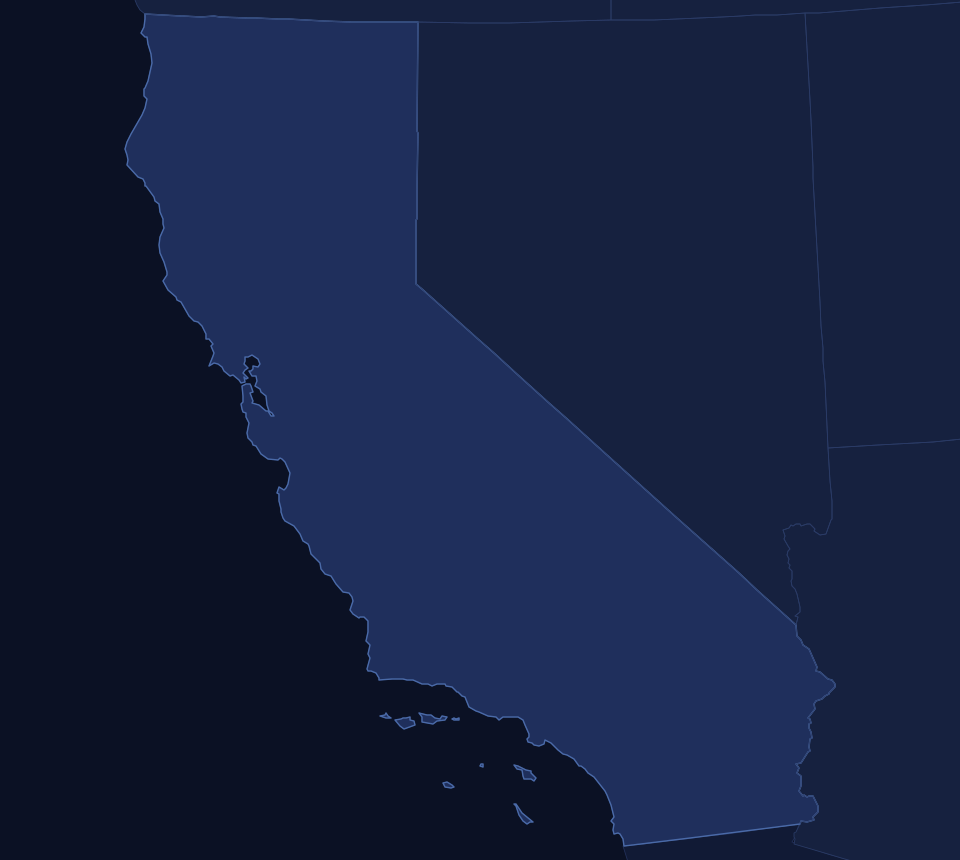
Pink dots are planetariums, green dots observatories open to the public, squares dark sky places and diamonds star parties; select one for its page. See California planetariums for the full list.
The coordinates on this page point to zip 94720 (approximate): 37.874°N, 122.255°W.
Map data © OpenStreetMap contributors. Open the larger map · Directions.
Dark sky places, observatories and clubs near William K. Holt Planetarium
Nearest dark sky places
| Place | Where | Bortle | Distance |
|---|---|---|---|
| Point Reyes National Seashore | California | 3 | 64 km (40 mi) |
| Las Posadas State Forest | California | 4 | 79 km (49 mi) |
| Soquel Demonstration State Forest | California | 4 | 97 km (60 mi) |
| Boggs Mountain Demonstration State Forest | California | 3 | 112 km (70 mi) |
| Fort Ross State Historic Park | California | 2 | 112 km (70 mi) |
| Salt Point State Park | California | 2 | 121 km (75 mi) |
Observatories open to the public within 150 km
- Chabot Space and Science CenterOakland, California, 11 km (7 mi). Free telescope viewing Friday and Saturday evenings (weather permitting) with Nellie, Rachel and Leah telescopes
- SF State ObservatorySan Francisco, California, 26 km (16 mi). Free public open nights Wed-Fri evenings during semesters when clear (about 6:30-9:30 pm); check Instagram
- Foothill College ObservatoryLos Altos, California, 58 km (36 mi). Free Friday night stargazing about 9-11 pm and Saturday solar viewing 10 am-noon, clear weather, run with Peninsula Astronomical Society
- Sonoma State University ObservatoryRohnert Park, California, 65 km (40 mi). Free public viewing nights on select Fridays during the semester, about 7:30-9 pm; check site for weather cancellations
- Robert Ferguson ObservatoryKenwood, California, 66 km (41 mi). Ticketed public star parties about monthly on Saturdays ($18 adults, registration required) plus solar viewing days; park day-use fee
- Lick ObservatoryMount Hamilton, California, 75 km (47 mi). Shane Telescope gallery open daily 10 am-5 pm; Visitor Center Sat-Sun noon-5 pm; ticketed summer evening programs (Music of the Spheres, Evening with the Stars)
Astronomy clubs within 150 km
- Eastbay Astronomical SocietyOakland, California, 9 km (6 mi). Meets Chabot Space and Science Center, 10000 Skyline Blvd
- Mount Diablo Astronomical SocietyWalnut Creek, California, 18 km (11 mi). Meets Monthly general meeting Tuesday, 7:15-9 pm
- San Francisco Sidewalk AstronomersSan Francisco, California, 19 km (12 mi)
- San Francisco Amateur AstronomersSan Francisco, California, 21 km (13 mi)
- Mt. Tam Astronomy ProgramSan Rafael, California, 25 km (15 mi). Meets Monthly lecture and star party Saturdays Apr-Oct, Cushing Memorial Amphitheater (Mountain Theater) and Rock Spring
Other planetariums within 150 km
- Ask Jeeves PlanetariumOakland, California, 11 km (7 mi), 21.0 m dome
- Diablo Valley College PlanetariumPleasant Hill, California, 16 km (10 mi), 6.0 m dome
- Morrison PlanetariumSan Francisco, California, 21 km (13 mi), 23.0 m dome
- CCSF PlanetariumSan Francisco, California, 24 km (15 mi)
- Charles F. Hagar PlanetariumSan Francisco, California, 26 km (16 mi), 8.0 m dome
Star parties near William K. Holt Planetarium
| Star party | Near | Distance | Next |
|---|---|---|---|
| Golden State Star Party | Adin, California | 384 km (239 mi) | Usually summer new moon; next likely June 2027, dates not yet announced |
| Death Valley Dark Sky Festival | Furnace Creek, California | 502 km (312 mi) | Usually late winter; next likely February 2027, dates not yet announced |
| Joshua Tree Night Sky Festival | Twentynine Palms, California | 696 km (433 mi) | Usually autumn; next likely October 2027, dates not yet announced |
| Great Basin Astronomy Festival | Baker, Nevada | 711 km (442 mi) | Usually September; next likely September 2027, dates not yet announced |
Planning a trip? Astrotourism in California puts the dark sky places, observatories, clubs, star parties, planetariums and science centers of the state on one map, with the best night out worked out.
William K. Holt Planetarium record
Every value in the planetariums dataset for William K. Holt Planetarium
| ID | 515 |
|---|---|
| Name | William K. Holt Planetarium |
| Address | 1 Centennial Drive |
| City | Berkeley |
| State | CA |
| Zip | 94720 |
| Country | USA |
| Phone | 510-642-5132 |
| Web | https://lawrencehallofscience.org/ |
| Dome | 11 |
| Seats | 48 |
| Notes | Lawrence Hall of Science, UC Berkeley |
| Digital | Sky-Skan Definiti (2006); Digitalis Digitarium Epsilon |
| Equipment | Digitarium Epsilon projector |
| Lat | 37.8738 |
| Lon | -122.2549 |
| LatLonSpot | zip 94720 (approximate) |
| Status | Open |
| PublicNote | Planetarium shows on weekends and holidays with museum admission |
| Sources | https://lochnessproductions.com/lfco/l038.html |
From the site's planetariums dataset (planetariums_q426). Distances are computed from the coordinates.